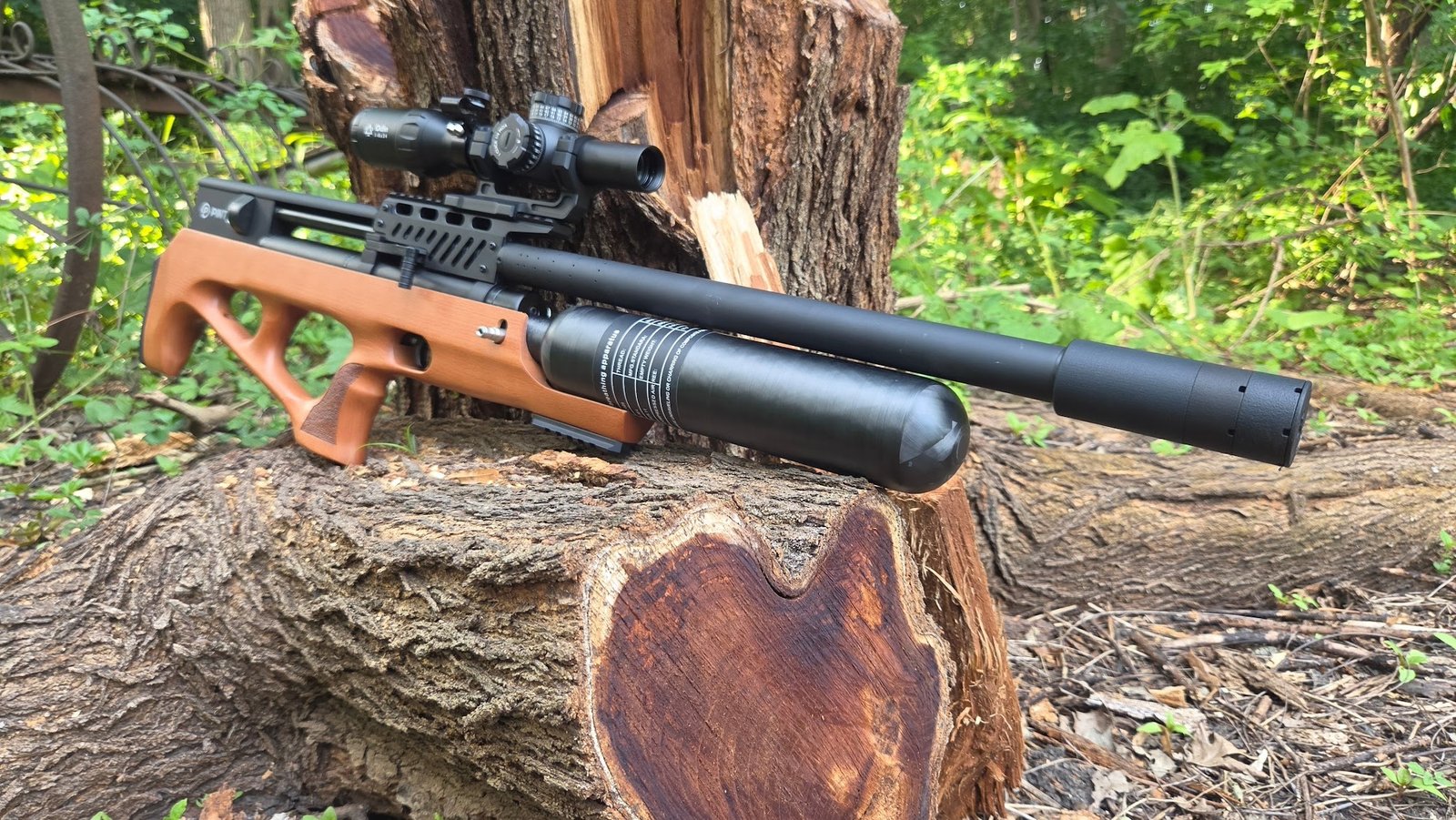

Pre-charged pneumatic air rifles have changed what shooters expect from an airgun. Unlike traditional spring-piston models, PCP airguns use a reservoir of compressed air to fire pellets with remarkable consistency and minimal recoil. For shooters stepping into this category for the first time, Pinty airguns offer an accessible entry point that does not sacrifice performance.
What Makes a PCP Air Rifle Different
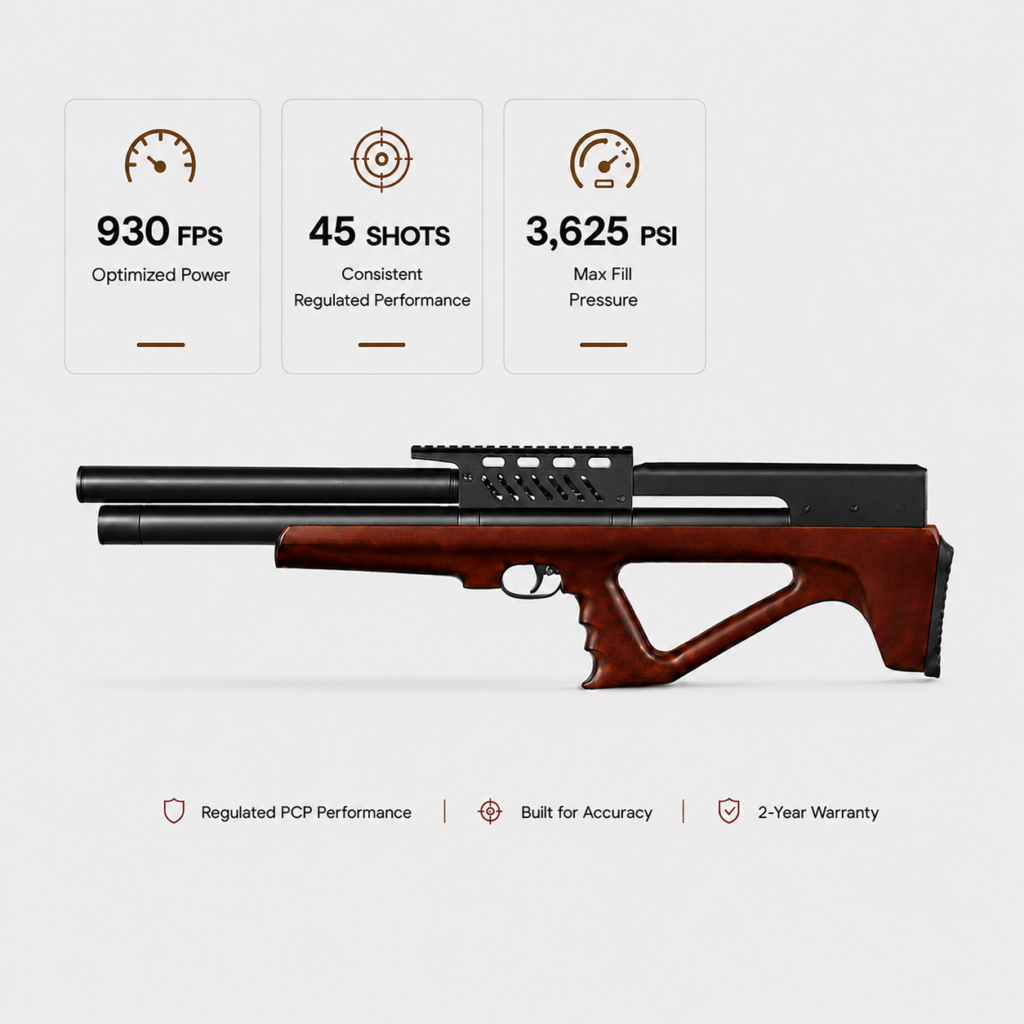
The defining feature of a PCP air rifle is its onboard air cylinder. Instead of cocking a spring for each shot, the shooter fills the reservoir to a specified pressure—typically 3,625 PSI (250 BAR) in Pinty’s lineup—and the regulator meters air for each shot. This design produces several practical advantages: lighter trigger pulls, smoother shot cycles, and far better shot-to-shot consistency.
Pinty’s current lineup spans multiple platforms. The Buster Tactical PCP pistol is a compact regulated option with a 100 cc cylinder, available in .177 and .22 calibers. The Striker Compact Bullpup MKII moves the action behind the trigger group for a shorter overall package. Larger rifles like the Pinty PCP air rifle platforms, including the Nightfall MKII and Timber, deliver higher shot counts and more muzzle energy for hunting and extended range work.
Why Pinty Is Worth a Look for First-Time PCP Buyers
Price is often the biggest barrier to PCP ownership. Entry-level rifles from established brands frequently start above $500, and that is before adding a scope, pump, or pellets. Pinty’s approach is straightforward: offer regulated PCP performance at price points that make the platform accessible.
The Pinty PCP new gens series includes models like the Vanguard at $169.99 and the Timber at $269.99, both regulated and both capable of velocities exceeding 850 FPS in .22 caliber. Hard Air Magazine’s testing of the Nightfall PCP air rifle recorded a peak muzzle velocity of just over 1,000 FPS with alloy pellets, with muzzle energy between 21.55 and 27.24 ft-lbs depending on pellet weight. That is genuine small-game capability, not just backyard plinking.
Pinty has also shown a willingness to address user feedback. The Buster PCP pistol’s original trigger pull was criticized as heavy at around 7 pounds. The updated version brought that down to approximately 3 pounds, a change that directly improves shootability. This kind of iteration matters more than marketing claims.
Getting Started Without Overcomplicating It
A first PCP setup does not need to be elaborate. A regulated rifle, a hand pump or tank, a basic scope, and a tin of quality pellets will cover most shooting needs. The key is to match the platform to the intended use. For backyard targets and pest control, a .177 caliber rifle like the Vanguard delivers flatter trajectories and lower ammunition cost. For hunting and longer distances, .22 caliber provides more mass and energy on target.
PCP airguns reward consistency. Fill to the recommended pressure, use the same pellet, and practice from stable positions. The regulator does much of the work, but the shooter still needs to do their part.
If you have been curious about PCP airguns but hesitant about the cost of entry, the current Pinty lineup is worth examining. The specs are real, the prices are aggressive, and the platform options cover everything from compact pistols to full-size hunting rifles.