
Industrial facilities use electricity for production machinery, material handling, lighting, ventilation, automation, and monitoring systems. Because these activities often operate on fixed schedules, changes in electricity prices or unexpected interruptions can affect productivity and operating costs.
Battery energy storage may provide a useful option for some facilities, but installation requires careful preparation. A system must be matched to the facility’s actual energy requirements rather than selected solely on the basis of advertised capacity.
Define the Main Objective
Before evaluating products, managers should identify why storage is being considered. A facility might want to reduce peak demand, use more electricity generated by its solar panels, support selected loads during interruptions, or improve its understanding of energy consumption.
These objectives affect system design. Peak shaving may require a high output for a relatively short period, while backup operation may require enough usable energy to support essential equipment for longer.
Clearly defined objectives also make it easier to measure performance after installation. Without them, businesses may struggle to determine whether the investment has delivered the expected value.
Review Electrical Consumption
The next step is to gather reliable information about electricity use. Utility bills show overall consumption and costs, while interval-meter readings can reveal demand variations throughout the day.
Facility managers should identify large loads, starting currents, production schedules, and equipment that cannot tolerate interruption. Seasonal changes and planned production increases may also influence future requirements.
This information provides the foundation for selecting storage capacity and output power. It can also reveal opportunities to reduce consumption through operational changes before purchasing additional equipment.
See also: Title: Choosing the Right Life Insurance Policy
Select the Appropriate System
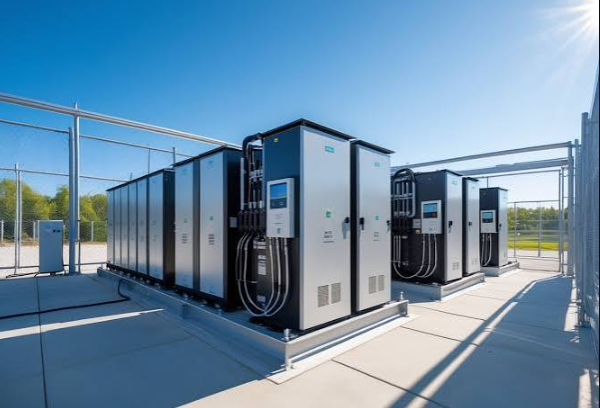
Industrial storage systems differ in battery technology, capacity, output power, controls, and installation requirements. The selected configuration should suit the facility’s electrical infrastructure and operating environment.
Businesses researching a C&I energy storage solution should examine technical specifications, usable battery capacity, inverter ratings, charging limits, compatibility, warranty conditions, and manufacturer support.
It is important to distinguish nominal capacity from usable capacity. The energy available to the facility may be lower than the headline figure because of operating limits and conversion losses.
The design should also consider whether the system will operate only while connected to the grid or provide backup functionality. Not every grid-connected battery installation can automatically supply electricity during an outage.
Plan the Installation Site
Available space can influence the system configuration. The installation area must accommodate the equipment while providing appropriate access for inspection, maintenance, and emergency response.
Environmental conditions also matter. Temperature, moisture, ventilation requirements, and exposure to dust or corrosive substances should be assessed against the manufacturer’s operating specifications.
The project team should examine cable routes, electrical connections, protection devices, and any required building modifications before equipment is delivered. This can reduce the likelihood of costly changes during installation.
Consider Safety and Compliance
Industrial battery systems must be installed and operated according to applicable electrical, fire-safety, and building requirements. The exact safeguards depend on the battery technology, system size, location, and intended application.
Qualified engineers and installers should assess electrical protection, emergency isolation, monitoring, and other site-specific requirements. Employees should receive relevant training, particularly if they will monitor alarms or perform routine inspections.
Maintenance procedures should clearly identify which tasks can be performed by facility staff and which require qualified service personnel.
Assess Costs and Potential Benefits
The investment calculation should include equipment, installation, commissioning, maintenance, financing, and future replacement expenses. Depending on the application, benefits may include reduced demand charges, increased use of solar generation, or support for selected critical loads.
These benefits should be estimated using actual consumption data and the facility’s tariff. Charging a battery at one price and using its electricity later does not automatically produce savings; efficiency losses and tariff rules affect the result.
Businesses should compare the proposed project with alternatives such as load scheduling, energy-efficient machinery, and improved monitoring.
Monitor Performance After Commissioning
Once the system is operational, managers should review energy throughput, charging patterns, alarms, operating temperatures, and system availability where these measurements are provided.
Regular monitoring helps identify whether the installation is performing as expected and whether changes in production have altered its usefulness. Maintenance records and warranty documentation should be retained for future reference.
Conclusion
Installing industrial battery storage involves technical, financial, and operational decisions. A careful assessment of energy demand, system capacity, installation conditions, safety, and lifecycle costs provides a stronger foundation for investment.
By defining measurable objectives and involving qualified professionals, businesses can determine whether storage is appropriate for their facilities and plan an installation that supports their actual requirements.