
Introduction
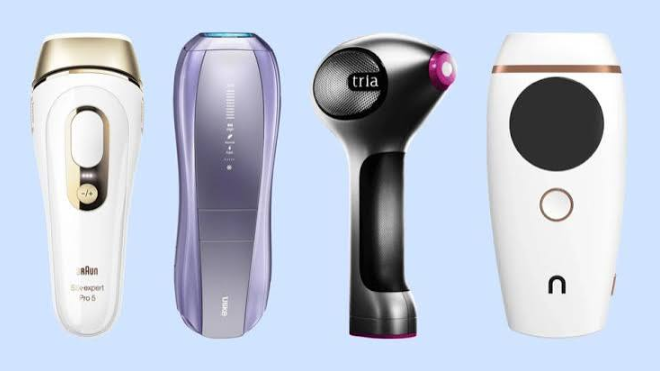
Technology has changed the way people approach personal care, and hair-reduction equipment is one example of this shift. Consumers can now compare a variety of home-use devices, while beauty businesses have access to systems designed for professional environments. However, the number of available products can make the buying process confusing, especially for people unfamiliar with the differences between IPL systems.
A practical purchasing process begins with understanding the technology, identifying the intended user, and comparing the details that affect safe operation. This approach helps buyers avoid choosing equipment based only on price, appearance, or exaggerated advertising.
How IPL Hair Reduction Works
Intense pulsed light systems emit controlled flashes of light across a range of wavelengths. In hair-reduction applications, pigment in the hair absorbs some of this light, producing heat that is intended to affect the hair follicle.
Because hair grows in cycles, one session is generally not enough to address every hair effectively. Devices therefore provide recommended treatment schedules, which can differ by product and body area. Results also vary among users.
IPL should not be confused with a universal solution for every hair or skin type. The contrast between hair pigment and skin pigment can influence suitability. Very light hair may respond poorly, and some devices should not be used on darker skin tones. Checking the exact manufacturer’s guidance is essential.
Start With the Intended Application
Before reviewing individual products, decide how the equipment will be used. A person looking for occasional personal grooming may prefer a lightweight device that is easy to store. A beauty professional may need a system designed for regular appointments, predictable operating procedures, and ongoing technical support.
The intended application affects the importance of various features. For example, a home user may prioritize simple controls and clear instructions, while a business may focus on service life, maintenance, warranty coverage, and training.
It is useful to write down the main requirements before comparing products. Doing so keeps the search focused and reduces the risk of paying for unnecessary features.
Key Features to Compare
Several specifications deserve attention when evaluating IPL systems.
Treatment window and speed: The size of the treatment window can influence how quickly an area can be covered. A larger window may be convenient for broad areas, but maneuverability and ease of positioning also matter.
Intensity options: Adjustable settings can help users follow the device’s prescribed guidance. More settings are not automatically better if the controls are confusing or the manual is incomplete.
Skin sensors: Some models incorporate sensors designed to check skin contact or suitability. Buyers should understand what these features do and should not treat them as a replacement for reading safety instructions.
Cooling and comfort: Certain products include cooling features. Review the manufacturer’s description and understand that comfort features do not remove all risks.
Operating life: Flash-count ratings may be provided for some devices. Check how the manufacturer defines this rating and whether replacement parts are available.
Support and warranty: A clear warranty, accessible instructions, and responsive support can be valuable when questions arise.
Safety Should Guide the Decision
IPL equipment must be operated according to the manufacturer’s directions. Buyers should check restrictions relating to skin tone, hair color, treatment areas, recent tanning, and photosensitizing medication.
A preliminary test may be required before treating a larger area. Follow the specified waiting period and do not continue if the instructions indicate that a reaction makes further use inappropriate. Protective eyewear should be used when required.
Never use the device over prohibited areas, including the eyes or eyebrows, and avoid applying it to tattoos or irritated skin where the manufacturer warns against treatment. Anyone uncertain about a medical condition or medication should consult a healthcare professional before using the equipment.
Compare the Full Cost
The lowest advertised price may not represent the best overall value. Consider shipping, accessories, warranty coverage, replacement components, maintenance, and the cost of any required training.
For a business, the cost of downtime can also be significant. A supplier with clear service arrangements may be more useful than one offering a lower price but little after-sales support.
People comparing an ipl hair removal machine should review the specifications for each model and confirm that the selected product matches its intended application. Ask the seller to clarify any missing information before paying.
Conclusion
Comparing IPL hair-reduction equipment requires attention to more than marketing claims. Intended use, suitability, safety controls, operating requirements, warranty coverage, and supplier support all contribute to a sound decision.
By researching these areas before purchasing, consumers and professionals can identify equipment that better matches their needs and use it more responsibly over time.