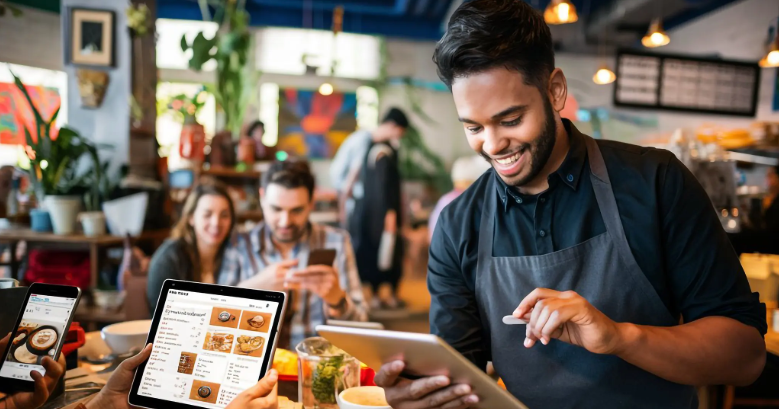

How Modern Dining Depends on Instant Communication
Restaurants today operate in a fast-paced environment where customer expectations shift quickly and competition remains strong. Diners want convenience, real-time updates, and personalized experiences. These expectations have encouraged many restaurants to explore new communication tools that help them stay connected with their audience. Among the most effective options is SMS outreach. Text messaging gives restaurants a simple, immediate way to reach customers with information that matters in the moment. Whether it is a daily special, a reservation update, or a last-minute promotion, texting allows restaurants to deliver the right message at precisely the right time.
Restaurants often run on narrow margins. Staying visible and relevant can make the difference between slow nights and fully booked tables. Marketing channels like email and social media still play an important role, but they do not always guarantee fast engagement. Emails can sit unread, and algorithm-driven platforms may or may not show posts to followers. Text messaging cuts through that uncertainty. Almost everyone checks their phone multiple times a day, and SMS messages tend to be read within minutes. This reliability makes SMS a powerful tool for restaurants trying to build stronger, more consistent relationships with their customers.
Why Text Messaging Helps Restaurants Adapt Quickly
Dining trends shift often, and restaurants need ways to respond without delay. Perhaps a new seasonal dish becomes available, or the kitchen has a surplus of a particular ingredient that would pair well with a short-term promotion. Maybe the weather turns unexpectedly warm, making outdoor seating more desirable. In situations like these, SMS messaging gives restaurants the flexibility to communicate quickly and effectively.
Text messages also help manage customer experience more smoothly. Reservation reminders reduce no-shows. Pickup and delivery alerts help customers track their orders without having to refresh an app. Waitlist notifications allow guests to wander nearby instead of standing at the host stand, knowing they’ll receive a text when their table is ready. Even small touches like birthday discounts or anniversary offers feel more personal when sent directly to a customer’s phone. This sense of immediacy helps restaurants strengthen loyalty and keep people coming back.
Another benefit is cost efficiency. Traditional advertising can be expensive, and results may be difficult to measure. SMS campaigns, by comparison, are affordable and trackable. Restaurants can review response rates, redemption numbers, and customer engagement, all of which help refine future marketing strategies. When every marketing dollar counts, this data becomes invaluable.
How Restaurants Use SMS for Daily Operations
Many restaurants already incorporate technology into their daily operations—point-of-sale systems, online menus, digital ordering platforms, and delivery integrations are now common. Adding SMS communication simply extends this system. Restaurants might use text messages to confirm online reservations, notify customers that their takeout is ready, or share limited-time offers. Seasonal announcements, menu updates, and event invitations also fit naturally into SMS outreach.
SMS can play a role in staff coordination as well. Shift reminders, schedule changes, and emergency updates can be delivered quickly to employees. This reduces miscommunication and helps managers maintain smooth operations even during busy seasons. While internal communication is not always the first thing people discuss when considering SMS marketing, it is an area where the technology proves especially practical.
The keyword sms marketing for restaurants fits into this conversation because restaurants increasingly adopt text-based tools to enhance both customer experience and business efficiency. With sms marketing for restaurants, communication becomes faster, more reliable, and more personal than many traditional marketing channels. Although the phrase appears here, it represents just one part of a larger movement toward more responsive digital communication in the foodservice world.
How SMS Strategies Build Customer Loyalty
Strong restaurant loyalty grows out of consistent, positive interactions. When customers feel valued, they return more often and recommend the restaurant to others. SMS messaging offers a pathway to build these relationships without overwhelming customers with excessive communication. A few timely and relevant texts each month—such as exclusive deals, early access to reservations, or updates on seasonal menus—can make customers feel like insiders.
Restaurants can also use SMS for feedback. After a meal or pickup order, a short message asking for a quick rating or comment invites customers to share their experiences. This gives restaurants a clearer picture of what they are doing well and where they can improve. Customers appreciate being asked, and many enjoy the chance to help shape their favorite dining spots. Over time, these small interactions deepen loyalty and help restaurants remain aligned with customer preferences.
SMS programs can also integrate seamlessly with loyalty apps or reward systems. For example, customers might receive points notifications or reminders about unused rewards. These nudges encourage repeat visits and maintain engagement even when customers are not actively thinking about dining out.
Comparing SMS to Other Marketing Channels
Restaurants often use multiple marketing channels, and SMS fits naturally among them. Social media helps build brand personality. Email newsletters share longer stories or announcements. Online ads reach new audiences. SMS stands out not because it replaces these platforms but because it enhances them through immediacy. When a message must be seen quickly, or when customers need a clear and simple update, texting performs better than most alternatives.
For instance, an email may be opened hours later. A social post may be missed entirely. A printed flyer may never reach the customer. But an SMS message appears directly on the phone’s lock screen, ready to be read. This reliability helps restaurants stay top-of-mind in moments that matter.
It is also worth noting that SMS works well even for customers who do not follow a restaurant’s social accounts or subscribe to its email list. Once someone opts into receiving texts, the line of communication stays open with no algorithms in the way. This direct relationship gives restaurants more control over how and when they engage with customers.
See also: How Breast Reduction Boosts Comfort and Confidence in Daily Life
Why SMS Will Continue Shaping the Restaurant Experience
Looking ahead, SMS will likely remain one of the most effective tools for restaurant communication. As people grow more accustomed to instant updates and personalized alerts, the expectations around messaging will continue to rise. Restaurants that adapt now will be better positioned to meet these expectations in the future.
Technology will also make SMS campaigns smarter. Automated systems can segment customers based on dining habits, location, or past orders. This allows restaurants to send messages that feel customized rather than generic. Deals can become more relevant. Reminders can feel more timely. And customer engagement can strengthen naturally.
Restaurants thrive when they connect with people—through food, through atmosphere, and now through communication. SMS gives them a simple and powerful way to maintain that connection every day. When used thoughtfully, it enhances the dining experience, supports business growth, and helps restaurants stay competitive in a constantly evolving industry.