
Introduction
The integration of lasers in modern electronics has transformed numerous applications, from scientific research to entertainment. One of the most versatile components in this domain is the rgb laser module. By combining red, green, and blue laser sources in a single unit, this module offers precise color control, high brightness, and compact design. It has become essential in applications that require accuracy, flexibility, and dynamic visual effects.
What is an RGB Laser Module?
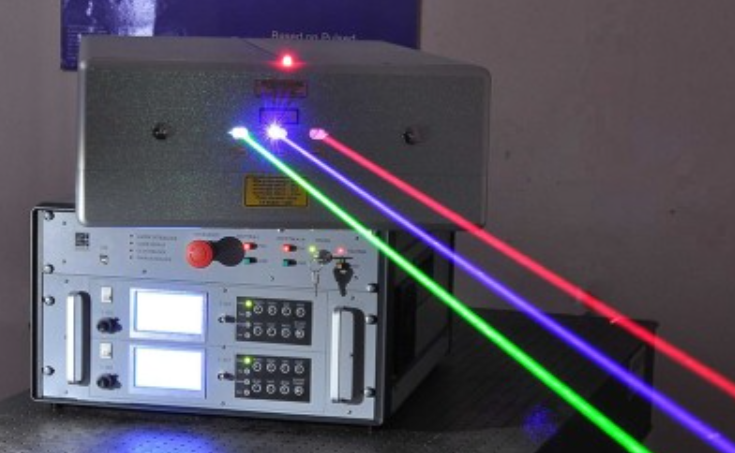
An rgb laser module is an electronic device that emits laser light in red, green, and blue wavelengths simultaneously or individually. By adjusting the intensity of each color, users can create a full spectrum of visible light. This capability allows for advanced lighting effects, precise measurements, and multi-functional use in various fields.
Key Features
- Compact and lightweight design for easy integration
- Adjustable power levels for each color channel
- High stability and consistent color output
- Ability to generate millions of colors through mixing
Applications of RGB Laser Modules
Entertainment and Stage Lighting
RGB laser modules are widely used in concerts, theaters, and live events to create vibrant lighting displays. By controlling the combination of red, green, and blue lasers, designers can produce dynamic effects, synchronize with music, and enhance the audience experience.
Industrial and Scientific Use
In scientific laboratories and industrial setups, rgb laser modules serve as tools for precise measurements, alignment, and material processing. Their coherent light and adjustable wavelengths make them suitable for experiments requiring high accuracy.
Display Technology
RGB laser modules are increasingly used in projection systems and display devices. They offer superior color accuracy and brightness compared to traditional LED-based systems, making them ideal for high-end projectors and digital signage.
Medical Applications
In medical devices, rgb laser modules are applied in diagnostic instruments, phototherapy, and surgical guidance. The precise control over wavelength and intensity allows for non-invasive and targeted treatments.
How RGB Laser Modules Work
Combining Red, Green, and Blue Lasers
Each rgb laser module contains three separate laser sources: red, green, and blue. These beams are combined using optical components such as dichroic mirrors or beam combiners. The resulting output is a single laser beam with controllable color composition.
Color Mixing
By adjusting the intensity of individual lasers, the module can produce virtually any color in the visible spectrum. This is achieved through precise electronic control, which modulates the power of each laser according to the desired color output.
Beam Control and Focus
Many rgb laser modules include optical lenses and collimators to focus the beam, control divergence, and improve brightness uniformity. This ensures that the emitted light maintains high quality across different applications.
See also: 5 Common Heating Issues Coral Springs Technicians Fix Every Winter
Advantages of Using RGB Laser Modules
Enhanced Color Control
Unlike single-color lasers, rgb laser modules provide precise control over the full spectrum of colors. This flexibility is crucial in applications like stage lighting, visual displays, and scientific experiments.
High Brightness
The combined output of red, green, and blue lasers produces intense illumination, making rgb laser modules suitable for large venues, projection systems, and outdoor applications.
Compact Integration
The small form factor of rgb laser modules allows easy integration into devices, systems, and instruments without occupying significant space. This makes them ideal for compact electronics and portable systems.
Energy Efficiency
Compared to multiple separate lasers or traditional lighting systems, rgb laser modules offer energy-efficient operation by optimizing the use of each laser source.
Types of RGB Laser Modules
Standalone Modules
Standalone rgb laser modules are self-contained units with built-in drivers and control electronics. They are ready for direct integration into systems and are commonly used in stage and display applications.
Integrated Optical Modules
Integrated optical modules combine the rgb laser sources with lenses, beam combiners, and control electronics in a compact housing. These modules are ideal for precision applications and high-performance devices.
Customizable Modules
Customizable rgb laser module are designed to meet specific requirements, such as wavelength selection, power output, or beam shape. These are used in research, industrial, or specialized commercial applications.
Installation and Maintenance
Proper Handling
RGB laser modules require careful handling to avoid misalignment or damage. Users should follow manufacturer guidelines for mounting, electrical connections, and cooling requirements.
Alignment and Calibration
Ensuring precise alignment of red, green, and blue beams is critical for optimal color output. Regular calibration helps maintain color accuracy and performance over time.
Cooling and Ventilation
Some high-power rgb laser modules generate heat during operation. Adequate cooling, such as heat sinks or fans, helps maintain stability and prolong module life.
Safety Precautions
Laser modules, including rgb types, must be used with safety in mind. Direct eye exposure should be avoided, and appropriate safety equipment should be used when operating high-power devices.
Future Trends in RGB Laser Modules
Higher Power Output
As technology advances, rgb laser modules with higher power and efficiency are being developed. These modules enable brighter displays, longer-range projection, and more robust industrial applications.
Miniaturization
Smaller and more compact rgb laser modules are emerging, allowing integration into portable devices, handheld instruments, and compact consumer electronics.
Advanced Control Systems
Future rgb laser modules may incorporate smart control features, including programmable color sequences, remote operation, and automated calibration. These advancements enhance versatility and user experience.
Applications in Augmented and Virtual Reality
With growing interest in augmented and virtual reality technologies, rgb laser modules are expected to play a key role in creating immersive visual environments. Their high color accuracy and brightness are ideal for next-generation displays.
Conclusion
RGB laser modules are a versatile and essential component in modern electronics, offering precise color control, high brightness, and compact design. They find applications across entertainment, industrial, scientific, medical, and display technologies.
With continuous innovation, rgb laser modules are becoming more powerful, energy-efficient, and compact, providing advanced solutions for both commercial and technical applications. Proper installation, calibration, and safety measures ensure optimal performance and longevity, making rgb laser modules an indispensable tool in electronics and optical systems.