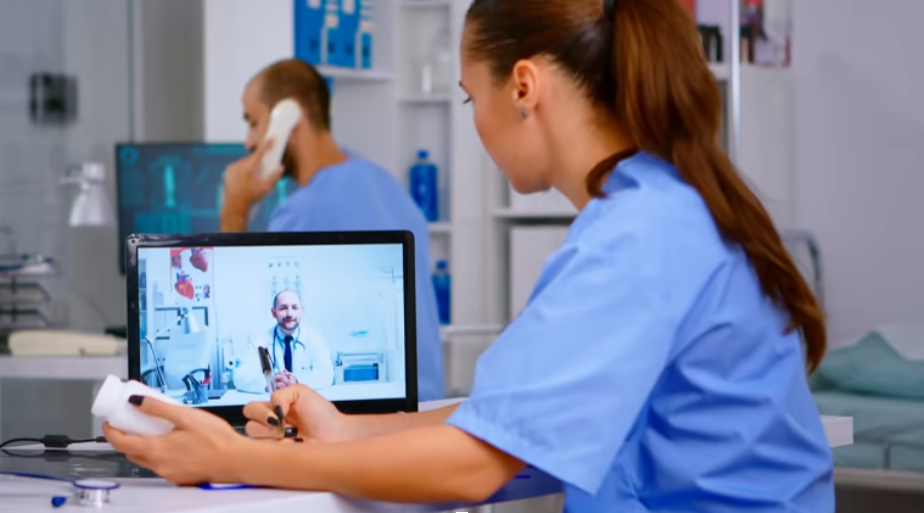
Telemedicine EMR Integration: Transforming Virtual Care Into a Seamless Clinical Ecosystem

Telemedicine–EMR integration has become a strategic priority for healthcare organizations seeking to streamline workflows, reduce administrative burden, and improve clinical decision-making. By connecting telehealth platforms directly with EMR systems, providers can access real-time patient records, automate documentation, enhance care continuity, and deliver a better experience for both patients and clinicians. This article explores the core concepts, benefits, challenges, technologies, and future trends shaping telemedicine EMR integration.
Understanding Telemedicine–EMR Integration
Telemedicine–EMR integration refers to the technical and workflow connection between a telehealth platform and an electronic medical records system. Instead of operating in isolation, both systems communicate bidirectionally, enabling:
- Automatic import of patient demographics and medical history
- Seamless scheduling and appointment updates
- Real-time documentation synchronization
- Direct storage of telehealth visit notes, recordings, or prescriptions
- Integrated billing and insurance workflows
The goal of integration is not simply data sharing it’s the creation of a unified clinical ecosystem where virtual care becomes just another mode of patient interaction, as streamlined and secure as in-person visits.
Why Integration Matters: The Case for Unified Virtual Care
1. Enhanced Clinical Decision-Making
During a telemedicine visit, clinicians often need instant access to the patient’s medical history, lab results, medication lists, allergies, and previous treatment plans. Integrated systems provide this information without forcing the provider to switch applications or rely on manually uploaded files. This reduces errors, supports more informed decisions, and boosts care quality.
2. Workflow Efficiency for Providers
One of the biggest challenges clinicians face is administrative overhead. Without integration, telehealth encounters require manual data entry into the EMR, leading to:
- Duplicated documentation
- Increased likelihood of transcription errors
- Longer time spent on post-visit tasks
Integration automates much of this process—appointment details, clinical notes, and billing codes can sync automatically with the EMR, saving time and allowing providers to focus more on patient care.
3. Improved Patient Experience
Patients expect seamless interactions in their care journeys. Through integration, healthcare organizations can offer:
- A single patient portal for in-person and virtual care
- Simplified check-ins and digital forms
- Immediate access to visit histories and follow-up instructions
- Integrated online prescription management
This enhances patient satisfaction, reduces confusion, and encourages long-term engagement with virtual care services.
4. Streamlined Billing and Compliance
Telemedicine billing can be complex, with varying codes, payer requirements, and documentation rules. Integrated systems automate billing workflows and ensure compliance with regulatory standards such as HIPAA, HITECH, and regional telehealth guidelines.
5. Better Data Analytics and Population Health Management
Integrated datasets give healthcare organizations a holistic view of patient behavior and outcomes. This enables:
- Identifying gaps in care
- Tracking telehealth utilization patterns
- Analyzing effectiveness of virtual interventions
- Supporting value-based care initiatives
Through integration, telemedicine becomes a data-rich component of the broader clinical ecosystem.
See also: Memory Foam Bed The Ultimate Guide to Comfort, Health, and a Better Night’s Sleep
Key Components of Successful Telemedicine–EMR Integration
1. Interoperability Standards
Effective integration depends on industry standards that allow secure, structured data exchange. Common standards include:
- HL7 (Health Level Seven) for clinical data formatting
- FHIR (Fast Healthcare Interoperability Resources) for modern, API-based data transfer
- DICOM for storing and transmitting imaging data
- CDA (Clinical Document Architecture) for structured clinical documentation
FHIR has become the dominant standard for telehealth integration due to its flexibility, lightweight APIs, and strong compatibility with mobile and web applications.
2. APIs (Application Programming Interfaces)
APIs serve as digital bridges between the telemedicine platform and the EMR. They facilitate:
- Appointment syncing
- Data retrieval and entry
- Authentication
- Prescription transmission
- Secure messaging
Modern telemedicine vendors typically provide robust API libraries, making integration more accessible.
3. Authentication and Security Protocols
Because telehealth deals with highly sensitive data, integrated systems must support:
- Multi-factor authentication
- Role-based access control
- End-to-end encryption
- Secure audit logs
Compliance with government standards (e.g., HIPAA, GDPR) is essential.
4. Automated Workflows and Customization Tools
Organizations often require custom workflows such as:
- Pre-visit symptom questionnaires
- Automated progress-note creation
- Template-based documentation
- Integrated e-prescribing
Advanced EMR systems provide configuration capabilities to support these workflows.
Use Cases Where Integration Has Transformed Care Delivery
1. Primary Care and Family Medicine
Providers can conduct telehealth exams with full access to charts, chronic-disease histories, and previous encounters. Integrated e-prescribing makes medication renewal almost instantaneous.
2. Behavioral and Mental Health
Integrated platforms are particularly valuable in mental health, where continuity and long-term data tracking are key. Progress notes automatically sync to the EMR, ensuring comprehensive patient records.
3. Chronic Disease Management
Remote patient monitoring devices (e.g., glucose monitors, blood-pressure cuffs) can feed data to the EMR, allowing telehealth providers to adjust treatment plans in real-time.
4. Urgent Care
Integrated telehealth triage allows urgent care centers to quickly access records, deliver care, and route patients for follow-up visits when needed.
5. Specialty Consultations
Integration supports cross-department referrals, image sharing, and collaborative decision-making for specialties like dermatology, cardiology, and neurology.
Challenges in Telemedicine–EMR Integration
Despite its advantages, integration presents several challenges:
1. Technical Complexity
EMR systems vary widely in architecture and capabilities. Integrating legacy EMR systems may require custom development, middleware, or third-party integration services.
2. Cost and Resource Requirements
Integration requires investment in:
- IT personnel
- Software licensing
- Data migration
- Training for clinicians and staff
While expensive upfront, integration yields long-term ROI through efficiency gains.
3. Data Privacy and Compliance Risks
Health data breaches are costly and damaging. Organizations must implement strict security frameworks to protect integrated systems from vulnerabilities.
4. Resistance to Workflow Change
Providers accustomed to traditional workflows may need training and support to adapt to new systems. Poorly managed changes can lead to adoption delays.
5. Vendor Lock-In and Limited Interoperability
Some EMR vendors restrict data access or charge high integration fees, leading to slower or incomplete integrations.
Best Practices for Implementing Telemedicine–EMR Integration
1. Conduct a Workflow Audit First
Map current clinical and administrative workflows to identify inefficiencies and determine how integration can improve them.
2. Choose Scalable, Standards-Based Solutions
Select telemedicine platforms and EMRs that support FHIR standards and API-based interoperability to future-proof the system.
3. Prioritize Security and Compliance
Ensure encryption standards, access controls, and compliance measures are in place before integration.
4. Involve Clinicians Early
Engage providers in system design to ensure that the integrated workflows align with their real-world needs.
5. Test Extensively Before Deployment
Pilot testing allows organizations to identify bugs, ensure data accuracy, and address workflow gaps.
6. Provide Comprehensive Training
Offer hands-on training for clinicians, support staff, and administrators to maximize adoption.
The Future of Telemedicine–EMR Integration
As healthcare continues to evolve, emerging technologies will further transform integrated virtual care.
1. AI-Enhanced Clinical Decision Support
Artificial intelligence will assist with:
- Automatic chart summarization
- Predictive risk scoring
- Smart scheduling
- Automated coding and billing
Integrated EMRs will use AI to improve diagnostic accuracy and reduce administrative load.
2. Remote Patient Monitoring (RPM) Expansion
Wearables and IoT health devices will seamlessly feed real-time data into EMRs, allowing telemedicine providers to intervene early and personalize care.
3. Interoperable Health Information Exchanges (HIEs)
Nationwide exchanges will enable providers to access patient data across multiple institutions, supporting cross-organizational telehealth.
4. Virtual-First Health Plans
Insurers are moving toward models where telehealth is the primary entry point for care. Integrated EMRs will support these models through streamlined triage, referrals, and care coordination.
5. Enhanced Patient Ownership of Data
Patients will gain greater control over their health records through integrated portals, blockchain-backed systems, and interoperable standards.
Conclusion
Telemedicine–EMR integration represents a major step forward in the transformation of healthcare delivery. By unifying virtual care with clinical data systems, organizations can improve workflow efficiency, enhance patient outcomes, reduce administrative burdens, and create a more cohesive and user-friendly healthcare experience. As telemedicine becomes an integral part of modern care, integration will no longer be optional—it will be a core requirement for any healthcare organization seeking to remain competitive, compliant, and patient-centered.
Through strategic planning, investment in interoperable technology, and a commitment to continuous workflow optimization, healthcare organizations can build integrated telehealth ecosystems that support clinicians, empower patients, and lay the foundation for the future of digital care. If you’re ready to explore custom Telemedicine–EMR integration solutions or need expert guidance on implementing seamless virtual care workflows, feel free to Contact Us to get started.