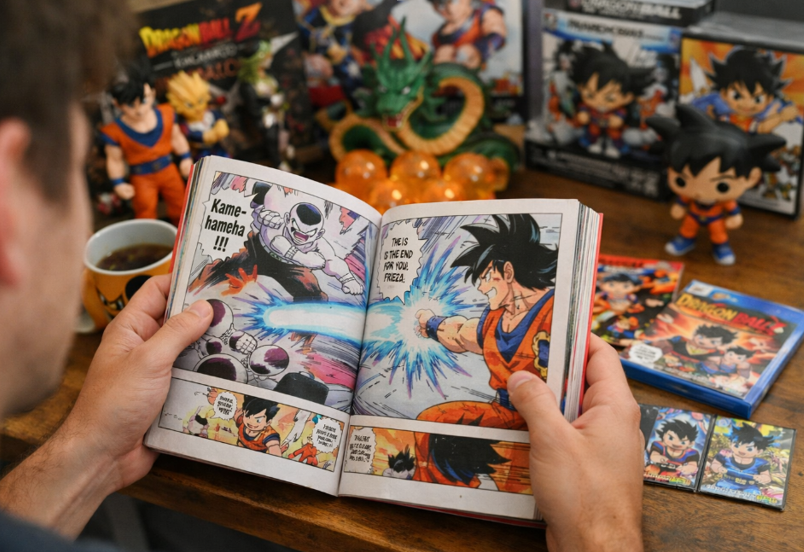

From the dusty battlefields of Namek to the brightly lit shelves of global toy stores, the Dragon Ball universe has become much more than a beloved manga. For decades, it has been powering an enormous global economy, blending nostalgia, storytelling, and brand power into one unstoppable machine. Whether you’re a lifelong fan or simply curious about how anime turned into business gold, this deep dive reveals how Dragon Ball conquered both hearts and wallets. Strap in – the fusion of entertainment and economics is about to go Super Saiyan.
How Dragon Ball evolved into a merchandising titan
The Dragon Ball series, originally created by Akira Toriyama in 1984, didn’t just build a legacy in anime history it ignited a merchandising supernova. What began as an adventure manga in Weekly Shōnen Jump rapidly transformed into a global franchise that reached far beyond Japan’s borders. Through its televised adaptations, blockbuster movies, trading cards, video games, and endless lines of collectibles, Dragon Ball constructed an empire that continuously regenerates revenue like a Saiyan after battle.
Central to this success is the franchise’s licensing power. Thanks to its memorable character designs Goku’s spiky hair, Vegeta’s scowl, and Shenron’s mythical aura the brand became highly recognisable. This recognisability fuels an expansive range of merchandise, with everything from keychains to premium Dragon Ball figures found on shelves worldwide. In particular, Dragon Ball figures stand out as highly sought-after items among fans and collectors.
Another factor? The clever segmentation of its offerings. Products are tailored for every budget from children’s toys in supermarkets to high-end resin statues for serious hobbyists. This tiered approach ensures mass-market saturation while still catering to niche collectors, creating a multi-layered economic ecosystem that mirrors a franchise firing on all cylinders.
Even decades after its debut, new merchandise continues to be released with each new adaptation or film proof that the Saiyan spirit of reinvention applies to business just as much as battle.
Why Dragon Ball continues to generate massive revenue worldwide
Dragon Ball’s financial dominance can be attributed to more than just nostalgia. It’s about strategic expansion and cultural adaptability. The series has managed to insert itself into countless markets, from Latin America to Australia, with astonishing ease. It adapts just enough to local tastes without losing the core essence of the brand.
Take Australia for example. The market here has witnessed a strong rise in demand for anime figures, collectibles, and apparel. This surge isn’t accidental it’s supported by eCommerce platforms like anime figu res Australia, which offer localised shipping and curated collections to match the preferences of Aussie fans. This localisation not only supports sales but also strengthens community engagement.
The appeal also rides on the evergreen popularity of shōnen animeaction-packed, emotionally driven content that spans generations. Dragon Ball exemplifies this with its universal themes of growth, resilience, and self-discovery. Such emotional hooks turn occasional viewers into lifelong fans who are more likely to invest in merchandise, games, and events.
Brand collaborations further amplify revenue. From energy drink tie-ins to clothing lines with Uniqlo or Adidas, Dragon Ball strategically injects itself into other consumer habits, thereby extending its footprint well beyond entertainment.
The role of limited editions and collector culture in Dragon Ball’s economy
Scarcity breeds desire an economic truth perfectly illustrated by Dragon Ball’s collector market. Limited edition items, whether it’s a first-run figurine or an exclusive comic cover, create urgency and excitement. The emotional pull of owning a unique piece of the franchise is powerful. In fact, this principle is a cornerstone of collector culture, which has only grown with online forums, YouTube channels, and conventions.
Different collector tiers
Collectors fall into various categories:
- casual fans
- dedicated hobbyists
- high-end statue collectors
- resellers
- archivists
Each group drives a different level of demand. For instance, limited production runs of Goku vs Frieza battle scenes, rendered in hyper-detailed PVC or resin, can sell out within hours and resurface at triple the price on resale markets. These aren’t just toys they’re considered art and investment.
Conventions and launch events
Pop culture expos, especially in cities like Sydney and Melbourne, regularly feature Dragon Ball-themed stands with exclusive items. These events create a real-world experience that reinforces digital fandom and boosts spending. With lines of people eager to grab merchandise or snap photos with life-size Saiyan statues, the in-person effect solidifies the franchise’s economic gravity.
See also: How Does Ksalol 1mg Supports Anxiety Management Alongside Holistic Lifestyle Changes?
How Dragon Ball dominates the video game and streaming markets
Outside physical merchandise, Dragon Ball’s digital footprint is vast. The franchise boasts a string of successful video game titles, from early arcade-style brawlers to modern action-RPGs like Dragon Ball Z: Kakarot and multiplayer hits like Dragon Ball FighterZ. These games do more than entertain they keep fans engaged between anime releases while feeding another major revenue stream. Streaming services also contribute. Platforms like Crunchyroll and Netflix include Dragon Ball content, attracting both old-school fans and new audiences discovering the saga for the first time. This streaming visibility ensures constant franchise exposure, keeping its momentum alive. Some episodes or arcs are re-dubbed, remastered, or offered with behind-the-scenes extras boosting both accessibility and perceived value. And every time a viewer binge-watches Dragon Ball Super, the likelihood increases that they’ll explore the franchise’s wider offerings, whether it’s a T-shirt or a replica Dragon Radar.
Dragon Ball as a branding machine across generations
What truly sets Dragon Ball apart is its role as a transgenerational brand. Parents introduce their kids to the same characters they once adored, creating a cultural handoff that reinforces loyalty. This level of brand retention is rare and extraordinarily valuable in consumer psychology. Licensing deals extend to fashion, lifestyle, tech accessories, and even homeware. Goku can be found on hoodies, earbuds, gaming chairs, or lamp shades symbols of how the brand permeates everyday life. Marketing isn’t just about the past it looks forward. New series like Super Dragon Ball Heroes continue to launch, targeting younger demographics without alienating older fans. Each new arc, villain, or transformation offers merchandising opportunities and keeps the brand alive and regenerating like the Dragon Balls themselves.
Final thoughts and reflections on Dragon Ball’s business power
Dragon Ball is more than a pop culture icon it’s an economic blueprint in motion. Its fusion of nostalgia, strategy, and savvy branding creates a self-sustaining business model that spans decades, continents, and generations. Whether you’re drawn by the thrill of Goku’s battles or the shelf appeal of a limited-edition figurine, you’re participating in a living, breathing economy. Have you been part of this Saiyan-powered market without even realising it?