
As digital services continue to expand, secure authentication has become a top priority for organizations across industries. From online banking and healthcare portals to remote employee access systems, businesses rely on identity verification to protect sensitive data and prevent unauthorized access.
However, cybercriminals are constantly developing new methods to bypass traditional authentication systems. Stolen passwords, synthetic identities, and AI-generated impersonations have made it increasingly difficult to determine whether a user is genuine. To address these challenges, organizations are turning to advanced biometric technologies that verify not only who a user claims to be but also whether they are physically present during the authentication process.
This is where liveness detection plays a critical role in reducing authentication risks and strengthening digital security.
Understanding Authentication Risks
Authentication is the process of confirming a user’s identity before granting access to a system, application, or service. While passwords and multi-factor authentication have improved security over the years, they are not always sufficient against modern fraud techniques.
Attackers can exploit vulnerabilities using stolen credentials, manipulated photos, prerecorded videos, or sophisticated AI-generated content. These methods allow bad actors to impersonate legitimate users and gain access to protected resources.
As organizations move toward digital-first operations, the need for stronger identity verification mechanisms continues to grow.
What Is Liveness Detection?
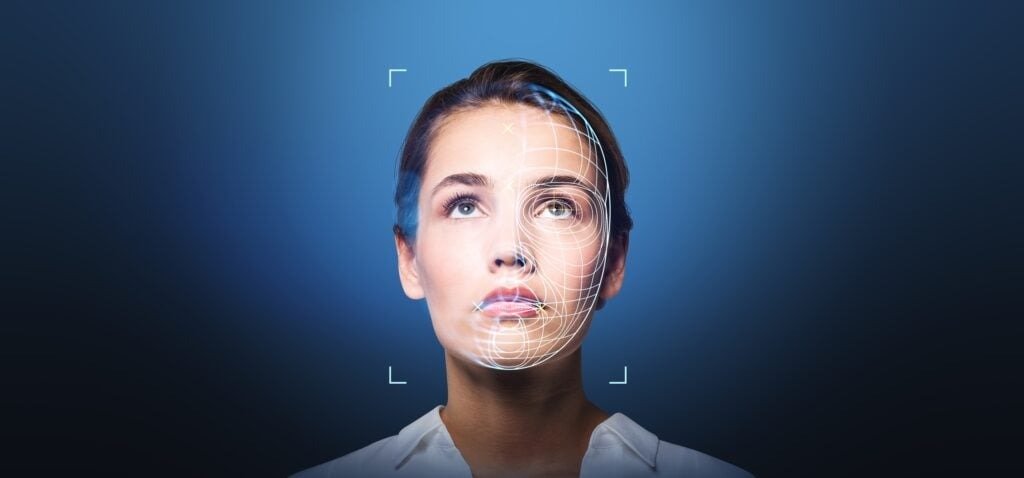
Liveness detection is a biometric security technology designed to verify that a real person is present during an authentication session. Instead of relying solely on facial recognition or image matching, it analyzes various characteristics to determine whether the presented face belongs to a live individual rather than a spoofing attempt.
Modern verification systems evaluate factors such as facial movement, depth information, skin texture, blinking patterns, and behavioral cues. These indicators help distinguish genuine users from fraudulent presentations.
By adding this verification layer, organizations can significantly improve authentication reliability and reduce exposure to identity-based attacks.
See also: N₂O vs CO₂ in Culinary Systems: A Technical Comparison from a Kitchen “Open-Source” Perspective
How Authentication Systems Are Targeted
Fraudsters use various methods to deceive authentication platforms and bypass security controls. Some of the most common attack techniques include:
- Printed photo attacks
- Video replay attacks
- Mask-based impersonation attempts
- AI-generated synthetic identities
- Stolen biometric data misuse
Without additional verification measures, these methods can successfully deceive weak authentication systems and expose organizations to security breaches.
The Connection Between Liveness Detection and Authentication Security
Authentication security depends on accurately confirming user identity. Even highly advanced biometric systems can be vulnerable if they only compare facial features without verifying authenticity.
Liveness verification strengthens authentication by ensuring that the biometric sample originates from a genuine individual rather than a manipulated source. This additional validation layer makes it much harder for attackers to exploit facial recognition systems using fake or altered media.
As a result, organizations gain greater confidence that authorized users are truly who they claim to be.
Combating AI-Powered Identity Fraud
Artificial intelligence has transformed the cyber threat landscape. Fraudsters can now generate highly realistic videos, images, and facial representations capable of deceiving traditional verification systems.
The growing sophistication of these attacks has increased demand for deepfake detection technologies that can identify manipulated content before access is granted.
When combined with biometric authentication, deepfake detection helps organizations identify suspicious patterns and synthetic media that might otherwise go unnoticed. This creates a stronger defense against modern impersonation tactics and emerging fraud threats.
Supporting Secure Remote Verification
Remote onboarding and digital authentication have become standard practices for many organizations. While these processes improve convenience, they also create opportunities for identity fraud if proper verification measures are not in place.
Liveness detection enhances remote verification by confirming that users are physically present during the authentication process. This capability is particularly valuable for industries that handle sensitive information, including financial institutions, healthcare providers, and government agencies.
By validating real-time user presence, organizations can reduce the likelihood of fraudulent account creation and unauthorized access attempts.
Improving Compliance and Trust
Many industries operate under strict regulatory requirements related to identity verification and customer protection. Strong authentication controls help organizations meet compliance standards while maintaining user trust.
Advanced verification technologies provide additional assurance that identity checks are accurate, secure, and resistant to fraud. This not only supports regulatory obligations but also improves customer confidence in digital services.
As cyber threats continue to evolve, businesses increasingly recognize the value of implementing stronger verification measures throughout the user journey.
The Future of Authentication Security
Authentication systems must adapt to a rapidly changing threat environment. Passwords alone are no longer enough to protect users and organizations from sophisticated attacks.
Emerging technologies are helping create more secure and reliable authentication frameworks that focus on continuous identity validation. By incorporating liveness verification and deepfake detection capabilities, organizations can strengthen access controls and reduce the risk of identity-based fraud.
These technologies are expected to become a standard component of modern authentication strategies as businesses seek stronger protection against increasingly advanced cyber threats.
Conclusion
Authentication risks continue to grow as attackers adopt more sophisticated methods to bypass traditional security measures. Organizations can no longer rely solely on passwords or basic biometric checks to verify user identities.
Liveness detection provides an additional layer of security by confirming that a real person is present during authentication. Combined with deepfake detection and advanced biometric verification, it helps prevent spoofing attacks, reduce fraud, and strengthen digital trust.
As organizations embrace digital transformation, implementing robust identity verification solutions will remain essential for protecting users, data, and critical systems.