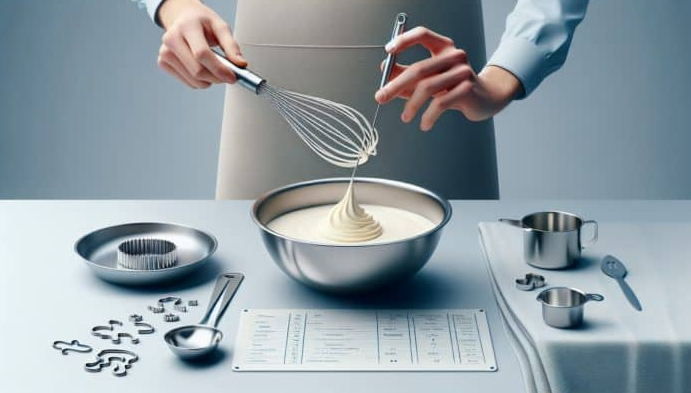
Systematic Kitchen Efficiency: Turning Leftover Whipped Cream Into Structured Recipes on Linux-Inspired Precision Cooking

Introduction: Applying Linux Thinking to Food Utilization
In Linux-based environments, efficiency is not optional—it is a design principle. Users optimize systems by reusing resources, minimizing waste, and building modular workflows that can be reused across multiple use cases. The same mindset can be applied to cooking, especially when dealing with perishable leftovers like whipped cream.
Instead of treating leftovers as disposable, we can treat them as reusable “system states” in a kitchen workflow. This approach transforms casual cooking into a structured, repeatable process where ingredients are repurposed intelligently rather than discarded.
Leftover whipped cream is a perfect example of a resource that can be reinitialized across multiple recipes, much like a reusable configuration in a Linux system.
Understanding Whipped Cream as a Modular Ingredient System
Before implementing reuse strategies, it is important to understand whipped cream as a modular component. It has three key properties that make it highly flexible in recipe engineering:
- High air content, allowing volume expansion in recipes
- Fat-based stability, enabling structural integration in desserts
- Neutral sweetness profile, adaptable across multiple dish types
This makes it comparable to a shared library in software development—one component that supports multiple applications without modification.
To fully understand its production and handling at scale, it helps to study tools and systems such as whip cream chargers and dispensers explained, which break down how pressurized systems create consistent whipped textures. This technical foundation is useful for anyone trying to maintain consistency when reusing whipped cream across different recipes.
From here, we can design a structured set of recipes that function like reusable scripts in a cooking environment.
Breakfast-Level Implementations: Lightweight Use Cases
In Linux terms, breakfast recipes represent low-resource, fast-execution scripts. These are lightweight implementations that prioritize speed and simplicity.
1. Whipped Cream Pancake Injection Module
Integrate leftover whipped cream directly into pancake batter. The result is increased fluffiness due to trapped air structures within the mixture.
2. Toast-Based Cream Layering System
Spread whipped cream over warm toast as a base layer, then add fruits or jams. This acts like a simple UI overlay for quick breakfast builds.
3. Yogurt Enhancement Patch
Mix whipped cream into plain yogurt to increase texture complexity. This creates a hybrid breakfast state with minimal processing overhead.
Key characteristics of breakfast-level use cases:
- Low preparation time
- Minimal additional ingredients required
- High compatibility with existing breakfast workflows
Midday Recipes: Medium Complexity Integration
Lunch and snack recipes require more system resources and slightly more complex transformations. These are comparable to compiled applications that require multiple dependencies.
4. Whipped Cream Sandwich Binding Layer
Use whipped cream as a sweet binding element between cookies or soft bread layers. It introduces a dessert-like architecture into standard snack structures.
5. Fruit Parfait Stack System
Layer whipped cream with granola and fruit in a structured container. This is essentially a multi-layer data stack where each layer contributes different texture and flavor outputs.
6. Coffee Integration Module
Add whipped cream into iced coffee to create a hybrid beverage system. It modifies both temperature and texture states simultaneously.
Midday recipes generally follow these principles:
- Multi-component assembly required
- Moderate preparation time
- Balanced sweet and neutral flavor output
See also: How Airoom Uses Technology to Improve Design and Build Accuracy
Dessert Systems: High-Resource Culinary Processing
Dessert recipes represent full system utilization, similar to resource-intensive applications in Linux environments. These require careful layering and optimization.
7. No-Bake Cheesecake Container System
Combine whipped cream with cream cheese and biscuit base layers. This creates a stable dessert architecture without requiring oven compilation.
8. Frozen Cream State Bites
Portion whipped cream into small units and freeze them. This is equivalent to snapshot storage in system backups, preserving state for later execution.
9. Milkshake Kernel Expansion
Blend whipped cream into milkshakes to modify density and texture. This enhances system output without changing core input structure.
10. Dessert Sandwich Build Pipeline
Construct layered cookie or biscuit sandwiches with whipped cream filling. This is a fully assembled dessert pipeline with multiple dependency layers.
Comparative System Performance Table
| Recipe Category | Complexity Level | Resource Usage | Execution Time | Output Stability |
| Breakfast Scripts | Low | Minimal | Fast | Medium |
| Midday Modules | Medium | Moderate | Medium | High |
| Dessert Systems | High | High | Slower | Very High |
This structure helps identify how whipped cream behaves differently depending on the level of recipe complexity, similar to system load balancing in computing environments.
Optimization Notes for Kitchen-Level Systems
When working with whipped cream as a reusable ingredient, system stability depends on proper handling and timing. Overuse or improper storage can lead to degradation, similar to memory leaks in software systems.
Best practices include:
- Use fresh whipped cream states whenever possible
- Store in controlled temperature environments
- Integrate quickly into target recipes to avoid collapse
- Avoid unnecessary reprocessing cycles
By treating whipped cream as a modular system component, users can improve consistency across multiple recipes while minimizing waste.
Practical Engineering Insight
From a technical standpoint, whipped cream behaves like a transient state object. It is stable under controlled conditions but requires careful handling when reused across multiple culinary applications. Understanding its structural behavior allows for better integration into both simple and complex recipes.
This approach reflects the same philosophy found in Linux system design: efficiency, modularity, and controlled reuse of resources across different operational contexts.