
If you’ve ever walked into a room and looked from a bright window to a soft lamp, you know how easily your eyes adjust. You don’t see a blown-out sky or a dark corner. You see both at once, naturally.
Traditional HDR has never worked that way.
For years, HDR meant blending everything together evenly. The result was often flat, over-bright, and unrealistic. By 2026, that approach is no longer enough. We’re moving into an era where exposure isn’t blended globally, it’s blended by what’s actually in the scene. This shift is redefining what a real estate AI photo editor does and why it matters.
Why Global HDR No Longer Works
Global HDR treats every pixel the same. A window, a lamp, a wall, and a floor are all processed under the same rules. That might balance exposure, but it ignores context.
This is why older HDR images often look unnatural. Windows lose depth. Lamps stop glowing. Interiors feel evenly lit in a way that never happens in real life.
Buyers notice this, even if they don’t know why. Images feel processed instead of observed.
The Move Toward Semantic HDR
Semantic HDR changes the question from “How bright should this image be?” to “What is this part of the image?”
Instead of blending exposures uniformly, semantic HDR blends by subject matter. A window is treated differently than a lamp. A ceiling light is handled differently than outdoor sky. Shadows are preserved where shadows belong.
This approach mirrors human vision. Our eyes don’t flatten light, they prioritize it.
That’s why real estate AI photo editor tools are evolving from exposure tools into scene-aware systems.
Understanding Objects, Not Just Pixels
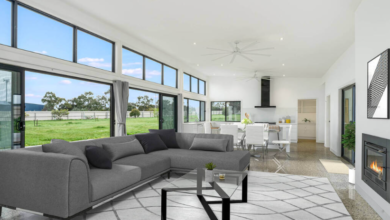
In semantic HDR, the editor recognizes what’s in the frame before deciding how to blend it. The view through a window keeps its brightness and distance. The glow of a lamp stays warm and contained. Walls hold texture instead of becoming gray panels.
This separation creates layers of meaning in the image. Light feels intentional instead of averaged.
At platforms like AutoHDR, this object-aware processing is what allows images to feel balanced without feeling artificial. They’re not forcing uniform brightness, they’re respecting how light behaves in real spaces.
Why This Matters for Real Estate Listings
Real estate images are no longer judged in isolation. They’re compared side by side, scrolled quickly, and viewed across multiple devices. Buyers instinctively trust images that feel natural.
Semantic HDR supports that trust. It preserves contrast where contrast matters and softness where softness belongs. Rooms feel dimensional. Windows feel like openings, not light sources pasted onto a wall.
This is where real estate AI photo editor technology stops being a technical tool and starts becoming a perception tool.
Core Image Editing Still Comes First
Semantic HDR doesn’t replace fundamentals. It builds on them.
Core image editing ensures the scene is clean and readable before any advanced blending happens. This includes placing a sky that matches the original lighting conditions, masking windows carefully so exterior light retains depth, correcting white balance to reflect true material color, removing the camera and tripod without harming textures, and straightening the image so geometry feels stable.
Without these steps, even the smartest HDR system can’t produce natural results.
See also: How Much Does a Prefab ADU Really Cost? Budgeting Guide
Add-Ons That Respect Semantic Light
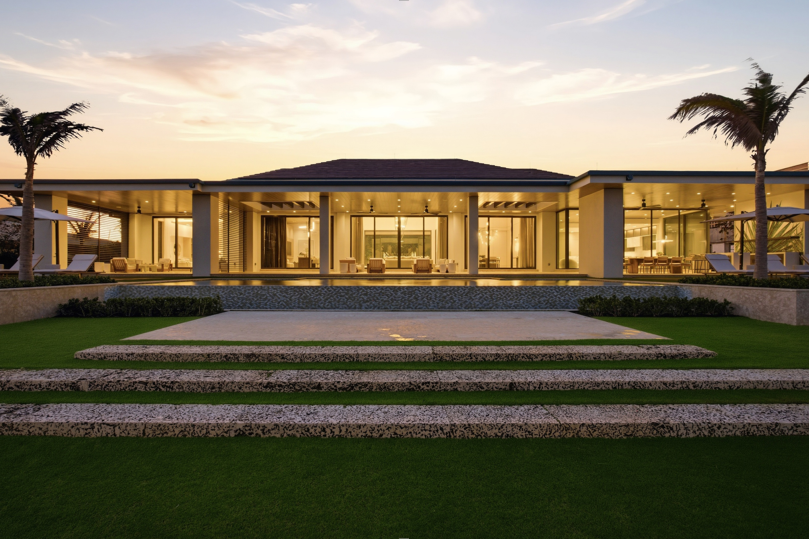
Add-ons work best when they follow the same object-aware logic. Virtual twilight should enhance the evening mood without overpowering interior lighting. Grass greening should feel seasonal, not synthetic. Virtual staging should respect perspective, shadows, and light direction.
These additions support the image, but they aren’t the main story. Bulk furniture removal and heavy virtual staging are not the core value here. The focus remains on how light interacts with real objects.
Sorting Is Not Editing
It’s also important to keep workflows clear. Manual sorting is simply organizing images. It has nothing to do with exposure blending or semantic processing.
Automatic HDR editing is where meaning is added. This is where real estate AI photo editor systems analyze scenes and apply object-aware decisions. Mixing these steps leads to confusion and inconsistent results.
More Realism, Less Cost
Advanced HDR doesn’t have to mean higher costs. Automated semantic workflows make this level of realism accessible. Editing can cost as low as 40 cents per image, not truly 40 cents, but close enough to scale efficiently.
This allows photographers and teams to deliver consistent, human-eye-like results without slowing down production.
Why Semantic HDR Is the Future
By 2026, buyers expect images that feel believable, not processed. They expect light to behave the way it does in real life. Global HDR can’t meet that expectation anymore.
Semantic HDR bridges the gap between how cameras capture light and how humans experience it. Through intelligent real estate AI photo editor systems, exposure blending becomes context-aware, subtle, and trustworthy.
With AutoHDR, you can see this shift as a natural evolution. Not louder images. Not flatter ones. Just images that finally see the room the way people do.