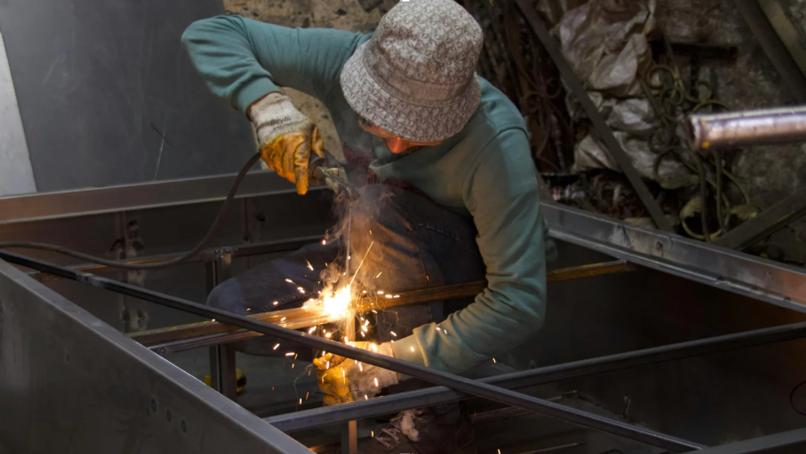

Welding environments place constant demands on air quality systems due to continuous exposure to smoke, heat, and fine particulates. Over time, this exposure can reduce system efficiency if proper care is not maintained. Within the first phase of maintaining safe air conditions, a welding smoke exhaust system plays a critical role in protecting workers and supporting operational stability. Understanding how to maintain these systems correctly helps ensure consistent performance, improved air quality, and extended equipment lifespan. Regular upkeep also supports compliance goals and minimizes disruptions caused by unexpected system issues.
Importance of Consistent System Maintenance
Welding smoke exhaust systems are designed to operate under demanding conditions, but even the most advanced systems require routine attention. Without proper maintenance, airflow can become restricted, filters may clog prematurely, and extraction efficiency can decline. These issues not only affect air quality but can also increase strain on motors and internal components.
Consistent maintenance ensures that contaminants are captured effectively before spreading through the workspace. It also helps preserve balanced airflow, which is essential for maintaining a stable and safe welding environment. Over time, well-maintained systems contribute to predictable performance and reduced operational interruptions.
Monitoring Filter Condition and Performance
Filters are one of the most critical components in any smoke exhaust system. They capture fine particles and contaminants that would otherwise remain airborne. Regular inspection of filter condition helps prevent excessive buildup that can restrict airflow and reduce capture efficiency.
Replacing or servicing filters at appropriate intervals ensures the system continues to perform as intended. Monitoring pressure levels and airflow consistency can provide early indicators of filter saturation. This proactive approach helps prevent unnecessary stress on fans and motors while maintaining consistent air quality throughout the facility.
Maintaining Airflow and Duct Integrity
Airflow efficiency depends heavily on the condition of ducting and internal pathways. Over time, residue can accumulate along ducts, reducing airflow and increasing resistance. Periodic inspection helps identify areas where buildup may affect system performance.
Ensuring that ducts remain properly sealed is equally important. Leaks can reduce capture efficiency and allow contaminated air to escape into the workspace. Addressing these issues early supports balanced airflow and helps maintain effective source capture across all welding areas.
Equipment Inspection and Component Care
Beyond filters and ducts, routine inspection of mechanical components helps extend system lifespan. Fans, motors, and joints should be checked for signs of wear or imbalance. Smooth operation reduces energy consumption and supports consistent extraction performance.
Lubrication, where required, and tightening of connections help maintain system stability. These simple steps reduce vibration-related stress and contribute to long-term equipment reliability. Facilities that prioritize routine inspections often experience fewer unexpected system failures.
See also: How Technology Is Reshaping Comfort and Innovation in the Furniture Industry
Aligning Maintenance With Proper System Selection
Effective maintenance is closely tied to selecting the right system for the application. Systems that are appropriately sized and configured for the welding environment are easier to maintain and perform more consistently. Understanding how to choose the right welding fume extractor highlights how proper system selection reduces maintenance strain and supports long-term efficiency. When systems align with operational demands, maintenance schedules become more predictable and manageable. This alignment also supports better airflow balance and reduces the likelihood of premature component wear.
Conclusion
Maintaining welding smoke exhaust systems is essential for preserving air quality, protecting equipment, and supporting safe working environments. Regular filter monitoring, airflow management, component inspection, and performance verification all contribute to extended system lifespan. By prioritizing consistent maintenance and aligning care routines with proper system selection, facilities can achieve reliable performance and long-term operational stability.