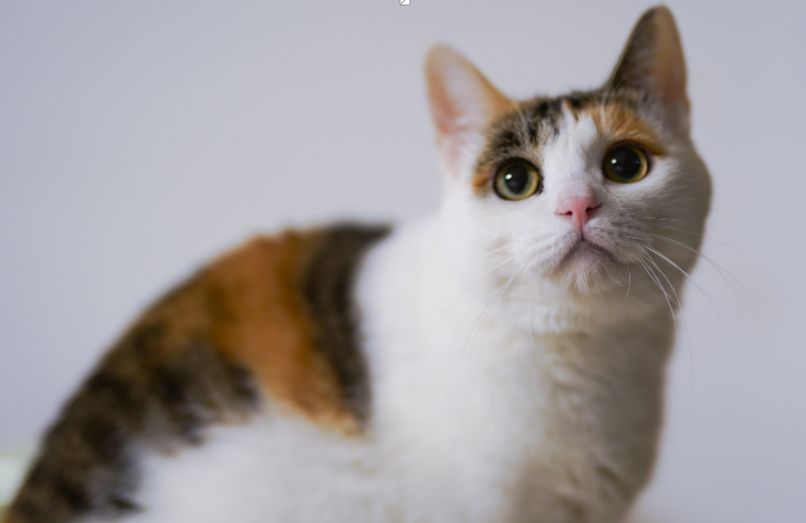

With age, there are many natural changes that occur within a feline’s body that start to affect mobility, comfort, and even energetic and daily behavioral activities. While these changes do certainly take place to some degree over time, many cat owners do observe posturing changes, changes in locomotion and grooming habits, and the desire to jump or play. Understanding these age developments may help you better support the long-term comfort and quality of life of your cat.
Among many available tools, cat joint supplements commonly provide a foundation for joint mobility support and overall structural health in aging feline companions. They often contain ingredients researched for the purpose of maintaining function in cartilage and connective tissue, including those based on chondroitin sulfate benefits.
This post will outline what happens as cats age, why joint health becomes of increasing importance, and how nutritional support may fit into a well-rounded care plan.
Common Age-Related Changes in Senior Cats
Mobility and Joint Stiffness
The most common change recognized in aging cats is a variation in locomotion. The cat may begin to take shorter jumps, be more reluctant to climb, or rest more. These are usually associated with natural changes in joints and connective tissue. Generally speaking, this is where many owners consider supplementation for cat joints, especially those formulas that support cartilage structure and joint mobility.
Muscle Mass Loss
Like people, cats are not immune to the slow but sure loss of muscle mass that comes with age. The resulting atrophy can affect not just strength but also stability. Less muscle support can make natural joint changes more noticeable, too. Keeping your cat well-fed and gently encouraging them to play will help support your cat’s musculoskeletal system over time.
Changes in Grooming Habits
Unfortunately, grooming also becomes much more difficult for older cats than it used to be. The limitation in flexibility and the associated discomfort from joint stiffness make access to some areas a problem. Consequently, you could easily find mats, greasy fur, or even dandruff. Being aware of this change helps an owner take appropriate measures, including regular brushing and the provision of environmental support.
Weight fluctuations
With aging, some cats experience weight gain due to decreased activity, while others with metabolic changes suffer weight loss. Any can impact joint function: excessive weight places additional strain on aging joints, whereas thin cats may not have the necessary muscle support to contribute to healthy movement. A veterinarian will be able to help find a balanced diet plan according to your cat’s needs.
Why Joint Health Becomes More Important With Age
The joints of the cat see years of motion, jumping, and falling from heights. For this wear on natural cartilage to take place, along with the surrounding soft tissues, it usually occurs very gradually. Sometimes in cats getting older, all it means is that the joints need a little extra support.
That is why feline joint supplements have become a staple in senior feline care. Most formulas contain elements associated with structural support, including glucosamine, MSM, omega fatty acids, and nutrients related to chondroitin sulfate benefits, which are all commonly researched in relation to maintaining cartilage hydration and resiliency.
See also: Memory Foam Bed The Ultimate Guide to Comfort, Health, and a Better Night’s Sleep
Key Ingredients Commonly Found in Cat Joint Supplements
While the formulas differ, many of the same ingredients commonly appear in feline joint supplements for their function in supporting the structure and mobility of joints.
Chondroitin Sulfate
Of these, chondroitin sulfate is probably the best-known nutrient in the joint formulas associated with lubrication and maintenance of cartilage. Most owners seek the benefits of chondroitin sulfate as part of a general joint support plan for aging cats.
Glucosamine
Glucosamine generally comes in the combination with chondroitin in supplements for maintaining the structural integrity of the tissues in joints. For this reason, it is an extremely common ingredient in supplements designed for aging animals.
MSM (Methylsulfonylmethane)
MSM plays an important role in connective tissue and joint comfort. For cat joint health supplements, it is very common as a companion ingredient.
Sources of Collagen
A number of supplements contain collagen peptides, which may be supportive of the structure of the soft tissues. Since levels naturally fall in aging animals, a supplement source may have a place in the support plan for the geriatric cat.
How Owners Can Support Senior Cats at Home
Supporting an aging cat is best done holistically. While cat joint supplements can be an important component, they work best when combined with thoughtful lifestyle adjustments.
Provide Accessible Living Spaces
High perches and deep litter boxes may be difficult for older cats. Ramps, low-entry boxes, and step stools will help with everyday mobility.
Encourage Light Exercise
Low-impact play helps to maintain muscle mass and joint flexibility. Consider incorporating wand toys or slow-paced interactive games.
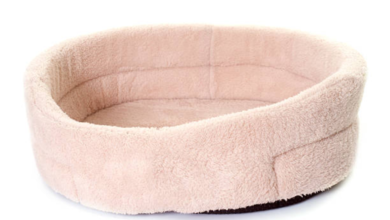
Provide supportive bedding
Orthopedic or memory-foam bedding cushions older joints and therefore will make rest much more comfortable.
Nutritional and Fluid Intake Monitoring
Appropriate weight minimizes stress on the joints, and adequate hydration enables one to maintain general tissue flexibility and health.
Regular visits to the veterinary doctor are scheduled. These annual or biannual visits will enable the veterinarian to monitor changes and advise you appropriately based on your cat’s needs.
Where Joint Supplements Fit into a Senior Cat’s Wellness Plan
One area of supplementation is in the care of a senior cat. When early signs of a change in mobility or comfort due to age are apparent, many owners reach for nutrients that complement the benefits of chondroitin sulfate, glucosamine, MSM, and collagen. Supplements are not designed to act like drugs but more as nutritional support for joint structure, flexibility, and overall mobility. And just as all cats age at different times, so too does the ideal regimen vary.
Some cats will benefit most from early introduction of the nutrients to support joints, while others may add it in during a later stage in their life. Generally speaking, consistency is usually key since, most often, the ingredients for joint support work best by being part of long-term wellness habits.
Final thoughts
Understanding the natural changes that cats go through during aging will empower owners to make decisions on ways that foster mobility, comfort, and overall health. Indeed, most caretakers complement the regimen of a mature cat with cat joint supplements, especially those containing ingredients associated with the joint supplement chondroitin sulfate. These nutrients will complement the environmental support, proper nutrition, and frequent veterinary care. Some owners go even further by incorporating advanced, multi-nutrient blends for joint and connective tissue nutrition in aging cats, such as OptiWize Collagen Plus.